Diabolical Meaning: Understanding the Origin and Usage of This Powerful Word
The diabolical meaning refers to something extremely evil, wicked, or fiendishly clever. Often associated with the devil or demonic forces, the word diabolical conveys an intensity of malevolence beyond ordinary mischief. Understanding the diabolical meaning helps readers, writers, and speakers use the term accurately in literature, conversation, and cultural references.
The term stems from a rich linguistic and cultural history, originating from the Greek word diabolos, meaning “slanderer” or “accuser,” which later became associated with the concept of the devil. Its evolution has led to modern usage in describing actions, plans, or schemes that are exceptionally cruel or cleverly evil.
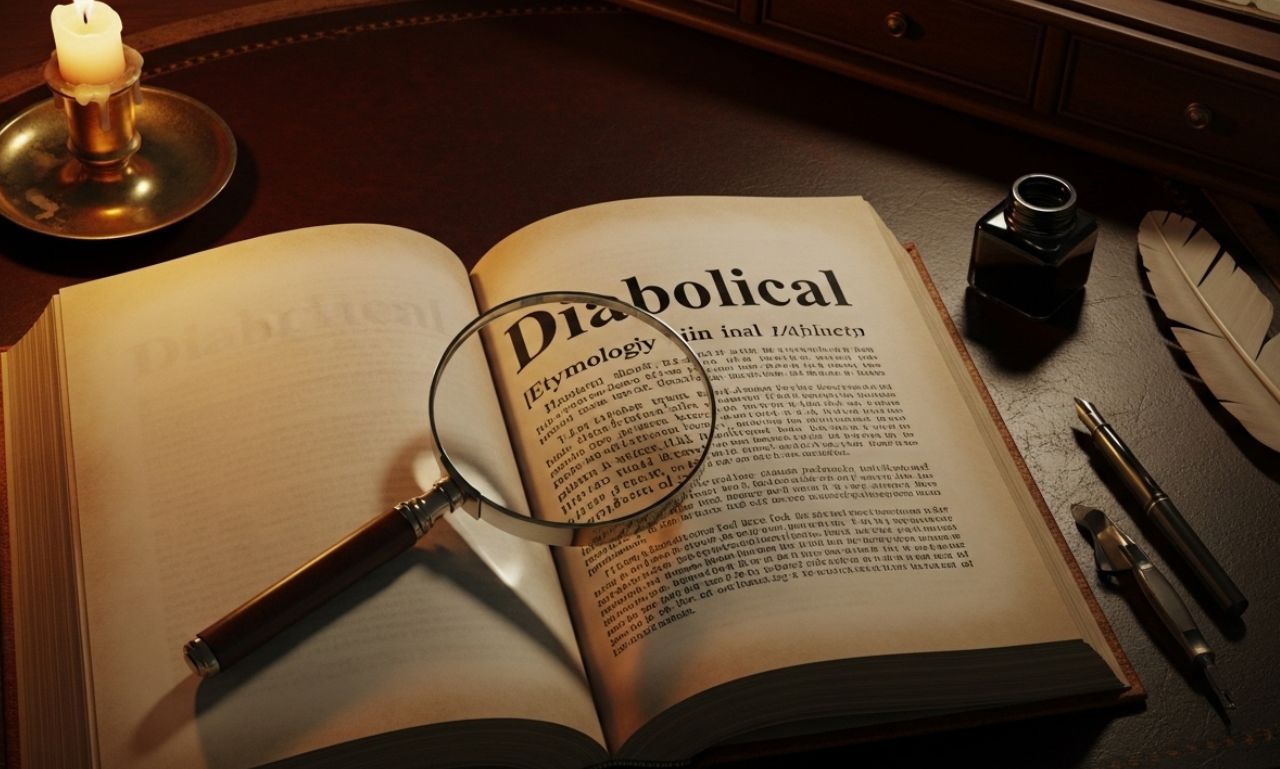
Etymology: Where Diabolical Comes From
The word diabolical has roots in multiple languages:
-
Greek: Diabolos meaning “slanderer” or “accuser.”
-
Latin: Diabolicus, linking the word to the devil and malevolent forces.
-
Old French & English: Adopted as diabolique in French and diabolical in English during the 16th century.
This evolution reflects the cultural association between cunning evil and supernatural influence, emphasizing the intensity implied by the word today.
The Diabolical Meaning in Context
General Usage
When someone refers to a “diabolical plan,” they describe a scheme that is not only clever but also morally reprehensible. For example:
-
“The villain’s diabolical plot threatened the entire city.”
-
“Her diabolical wit left the competitors speechless.”
Here, diabolical emphasizes both extreme cleverness and wickedness, aligning with the word’s core meaning.
Literary Usage
In literature, the diabolical meaning is often used to depict evil characters, dark deeds, or sinister atmospheres. Classic works like Paradise Lost by John Milton or Gothic novels frequently employ “diabolical” to enhance dramatic tension and characterize malevolent forces.
Synonyms of Diabolical
Understanding synonyms helps fully grasp the diabolical meaning and its nuances. Common synonyms include:
-
Evil
-
Fiendish
-
Malevolent
-
Satanic
-
Wicked
-
Sinister
-
Villainous
-
Infernal
Each synonym carries slightly different connotations. For instance, “fiendish” often emphasizes clever cruelty, while “satanic” implies direct connection to demonic forces.
Antonyms and Opposites
Words that contrast with diabolical include:
-
Benevolent
-
Kind
-
Virtuous
-
Innocent
-
Good-natured
These antonyms help define the extremity of evil implied in the diabolical meaning by providing a moral counterpoint.
Examples of Diabolical in Modern Usage
-
In Politics: “The senator devised a diabolical strategy to undermine his opponent.”
-
In Crime Reporting: “Authorities uncovered a diabolical scheme involving identity theft and fraud.”
-
In Everyday Speech: “That was a diabolical twist in the plot of the TV show.”
-
In Humor: “He came up with a diabolical plan to prank his friends harmlessly.”
These examples demonstrate how the diabolical meaning can extend beyond literal evil to describe cunning or shocking cleverness.
Diabolical vs Evil: Key Differences
While “evil” is a broad term for moral wrongdoing, diabolical specifically emphasizes:
-
Extreme wickedness
-
Cleverness or planning behind the act
-
Often literary or dramatic flair
For instance, a simple theft might be “evil,” but an intricately planned heist with manipulative schemes might be described as “diabolical.”
Cultural References and Symbolism
The word diabolical often appears in films, books, and media to evoke fear, tension, or dramatic impact. Villains in classic horror films or superhero narratives are frequently described as diabolical, highlighting their intelligence and malevolent intent.
Examples:
-
Diabolical schemes in James Bond films
-
Diabolical villains like The Joker in comic books
-
Classic Gothic literature using “diabolical” to describe supernatural evil
These references reinforce the word’s strong moral and dramatic weight in culture.
Tips for Using Diabolical Correctly
-
Avoid casual overuse: Its strong connotation is best reserved for serious, clever, or wicked actions.
-
Consider context: Literary, formal, or dramatic settings enhance its impact.
-
Pair with adjectives: “Diabolical plan,” “diabolical scheme,” or “diabolical genius” convey precision.
-
Use sparingly in humor: Light-hearted exaggeration can work, but overuse may dilute the word’s intensity.
Conclusion:
The diabolical meaning represents extreme evil, clever cruelty, and moral wickedness. From its Greek roots to modern literary and cultural usage, it conveys an intensity that “evil” alone cannot capture. By understanding its origins, synonyms, and proper contexts, writers and speakers can use “diabolical” to create vivid imagery, convey dramatic tension, and describe cunningly wicked actions.
Whether you encounter it in literature, media, or daily conversation, grasping the diabolical meaning ensures that you understand both the literal and figurative power of this evocative word.