Environmental Conservation: Strategies for a Sustainable Future
Environmental conservation is the responsible management and protection of natural resources to maintain ecological balance and sustain life on Earth. It involves practices that prevent degradation of air, water, soil, and biodiversity. With human activities causing pollution, deforestation, and climate change, environmental conservation has become more critical than ever. By understanding its principles and implementing sustainablepractices, individuals and communities can contribute to a healthier planet.
Importance of Environmental Conservation
Environmental conservation is vital for several reasons:
-
Preservation of Biodiversity: Protects plant and animal species from extinction.
-
Sustainable Resource Use: Ensures resources like water, forests, and minerals are available for future generations.
-
Climate Regulation: Maintains natural processes that regulate temperature, rainfall, and carbon cycles.
-
Human Health: Reduces pollution and contamination, promoting clean air, water, and soil.
Conservation efforts not only benefit ecosystems but also support human well-being and economic stability.
Key Areas of Environmental Conservation
Environmental conservation spans multiple domains:
1. Forest Conservation
Forests are essential for carbon sequestration, oxygen production, and habitat provision. Strategies include reforestation, preventing illegal logging, and promoting sustainable forestry practices.
2. Water Conservation
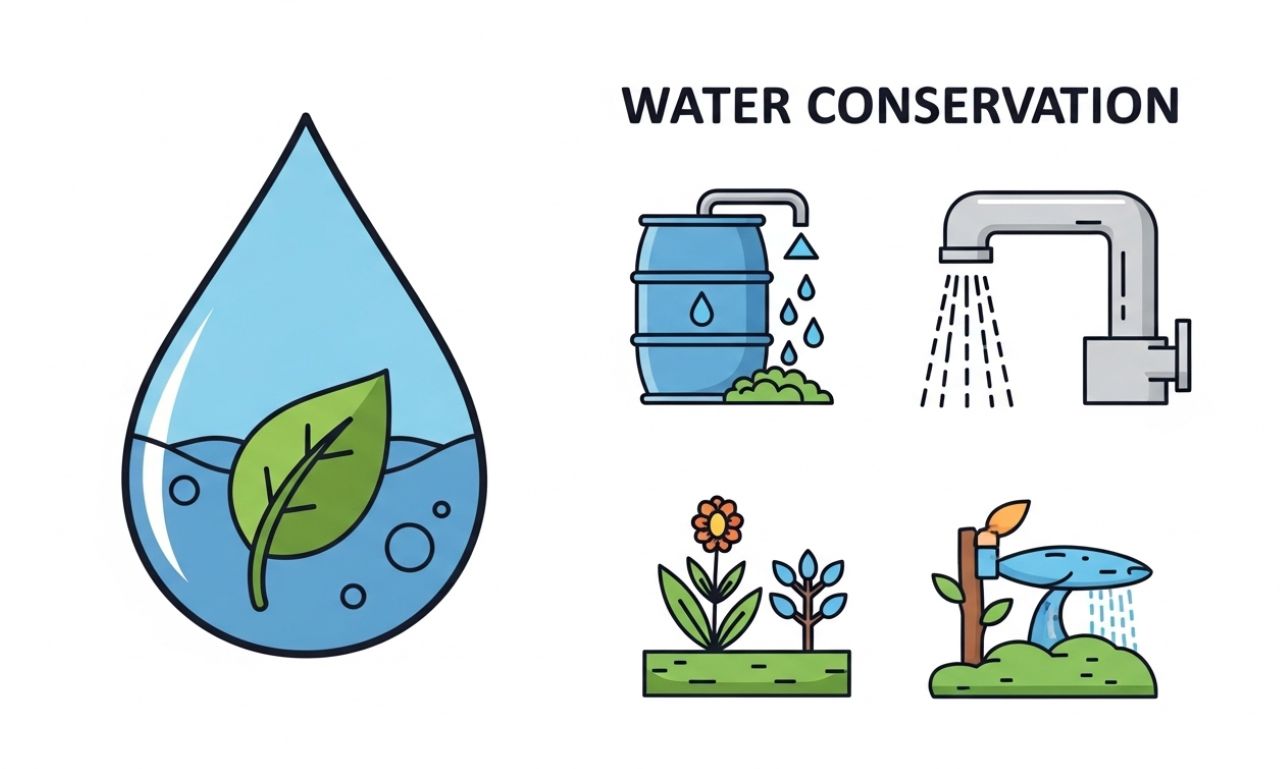
Water is a finite resource, and its preservation is critical. Measures include rainwater harvesting, reducing industrial and household water waste, and protecting rivers, lakes, and wetlands.
3. Soil Conservation
Healthy soil is vital for agriculture and ecosystem balance. Conservation practices include crop rotation, composting, reduced chemical use, and preventing erosion.
4. Wildlife Conservation
Protecting wildlife preserves biodiversity and ecological stability. Establishing protected areas, preventing poaching, and promoting habitat restoration are essential strategies.
5. Air Quality Management
Reducing air pollution is critical for environmental and human health. Strategies include adopting cleaner energy, reducing vehicle emissions, and minimizing industrial pollutants.
Methods of Environmental Conservation
Effective conservation requires combined efforts at individual, community, and governmental levels:
-
Sustainable Agriculture: Practices like organic farming, permaculture, and integrated pest management reduce environmental impact.
-
Renewable Energy Use: Solar, wind, and hydroelectric energy reduce reliance on fossil fuels and decrease greenhouse gas emissions.
-
Waste Management: Recycling, composting, and reducing single-use plastics minimize environmental pollution.
-
Environmental Education: Raising awareness about conservation encourages sustainable behavior and responsible resource use.
-
Policy and Legislation: Governments can enforce environmental protection laws and create incentives for sustainable practices.
Role of Communities in Environmental Conservation
Communities play a crucial role in implementing conservation efforts:
-
Organizing clean-up drives for rivers, beaches, and forests.
-
Planting trees and creating green spaces in urban areas.
-
Educating members on energy-saving techniques and resource conservation.
-
Supporting local conservation projects and eco-friendly businesses.
Community participation ensures that conservation initiatives are practical, impactful, and sustainable.
Challenges in Environmental Conservation
Environmental conservation faces several obstacles:
-
Rapid Urbanization: Expanding cities often lead to deforestation, habitat destruction, and pollution.
-
Industrial Pollution: Factories and industries release harmful chemicals into air, water, and soil.
-
Climate Change: Rising temperatures and extreme weather events threaten ecosystems.
-
Overconsumption: Unsustainable consumption patterns deplete natural resources.
-
Lack of Awareness: Many people remain unaware of conservation practices or their importance.
Addressing these challenges requires coordinated action, innovative solutions, and global cooperation.
Benefits of Environmental Conservation
Effective conservation efforts yield numerous benefits:
-
Ecosystem Balance: Healthy ecosystems support life and natural processes.
-
Economic Advantages: Sustainable practices can reduce costs and create green jobs.
-
Health Improvements: Clean air, water, and food enhance human well-being.
-
Climate Resilience: Protected ecosystems can better withstand natural disasters and climate impacts.
The benefits demonstrate that environmental conservation is not just ethical—it is essential for survival and progress.
Conclusion:
Environmental conservation is a shared responsibility that requires proactive measures from individuals, communities, and governments. By adopting sustainable practices, protecting natural habitats, and raising awareness, we can mitigate environmental degradation and ensure a healthy planet for future generations. Every action, no matter how small, contributes to preserving the Earth’s resources and maintaining ecological balance. Environmental conservation is not only a moral obligation—it is a path toward a sustainable and thriving future.