
Mulholland Drive: Unraveling David Lynch’s Surreal Masterpiece
Mulholland Drive stands as one of the most enigmatic and acclaimed films of the early 21st century. Directed by David Lynch and released in 2001, Mulholland Drive challenges its audience with a dreamlike narrative that defies conventional storytelling and blurs the line between fantasy and reality. Across decades, the film has inspired critical debate, passionate fan theories, and profound interpretations from scholars and cinephiles alike. What makes Mulholland Drive so captivating is not just its mystery, but the emotional truth hidden beneath its surreal surface.
Plot and Structure: A Dream Intertwined With Reality
At its heart, Mulholland Drive follows two women in Los Angeles whose lives become deeply intertwined under mysterious circumstances. Betty Elms, a bright‑eyed and aspiring actress newly arrived in Hollywood, stumbles upon an amnesiac woman after a severe car crash on the winding road known as Mulholland Drive. This woman takes the name “Rita,” inspired by a poster of Rita Hayworth found in her purse. Together, they attempt to uncover Rita’s identity while navigating the strange underbelly of Hollywood glamour.
The film is not structured like a traditional narrative. Instead, it splinters into dreamlike sequences and eerie juxtapositions that feel connected more by mood than logical plot progression. Characters appear in contexts that shift without explanation, and time itself seems to warp as the story progresses. This nonlinear approach creates a cinematic experience that reflects the fluid logic of dreams more than waking life.
Dual Identities and Fragmented Realities
One of the most compelling aspects of Mulholland Drive is its exploration of identity through duality. As the film evolves, it becomes evident that the early story of Betty and Rita may itself be a dream or fantasy—a psychological construct of a character named Diane Selwyn. In the latter portion of the film, the cheerful Betty transforms into Diane, a struggling and despondent actress whose real life has been ravaged by unrequited love and professional failure. Rita becomes Camilla, a successful actress and Diane’s former lover. What once seemed hopeful becomes heartbreak and despair.
This shift forces viewers to reconsider everything they thought they understood. The glamorous illusions of Hollywood are revealed to mask a harsher reality—one where dreams can break as easily as they were imagined. Many critics interpret the earlier part of the film as Diane’s dream: a world in which she is talented, successful, and loved, a stark contrast to her true life of rejection and guilt.
Themes: Hollywood, Desire, and Loss
Mulholland Drive functions on multiple thematic levels, but some of its most potent ideas revolve around the allure and illusion of Hollywood. The city of Los Angeles, often romanticized as the land of opportunity and fame, becomes in Lynch’s picture a labyrinth of shattered aspirations. Hollywood is seductive and sinister, a place where beauty masks corruption and dreams often dissolve into nightmares.
The motif of illusion versus reality is perhaps most succinctly expressed during the iconic Club Silencio sequence. In this haunting scene, a singer performs passionately while the club’s host repeatedly insists that “it is all an illusion”—a stark reminder that what we see and feel may not be rooted in truth. This sequence symbolically mirrors Diane’s own psychological unraveling and foreshadows the collapse of her dream world.
Characters: Archetypes and Subversion
The characters in Mulholland Drive blend classic Hollywood archetypes with Lynch’s surreal twists. Betty Elms at first embodies the innocent ingénue, eager and optimistic about her prospects. Rita, meanwhile, fits the trope of the mysterious femme fatale. But as their identities shift and merge with Diane and Camilla, these archetypes are subverted, revealing the darker emotional core beneath.
Supporting characters, from the troubled director Adam Kesher to the enigmatic figures that populate Hollywood’s fringes, reinforce this complex interplay between surface and substance. Their roles can feel symbolic, adding layers to the narrative rather than serving as straightforward plot devices.
Symbolism: The Blue Box and Psychological Landscape
Symbolism in Mulholland Drive is rich and open to interpretation. One iconic object is the blue box and its matching key, which appear at pivotal moments. Many critics view the blue box as representing the portal between fantasy and reality—the moment when Diane’s dream falls apart, forcing the audience to confront the devastating truth beneath.
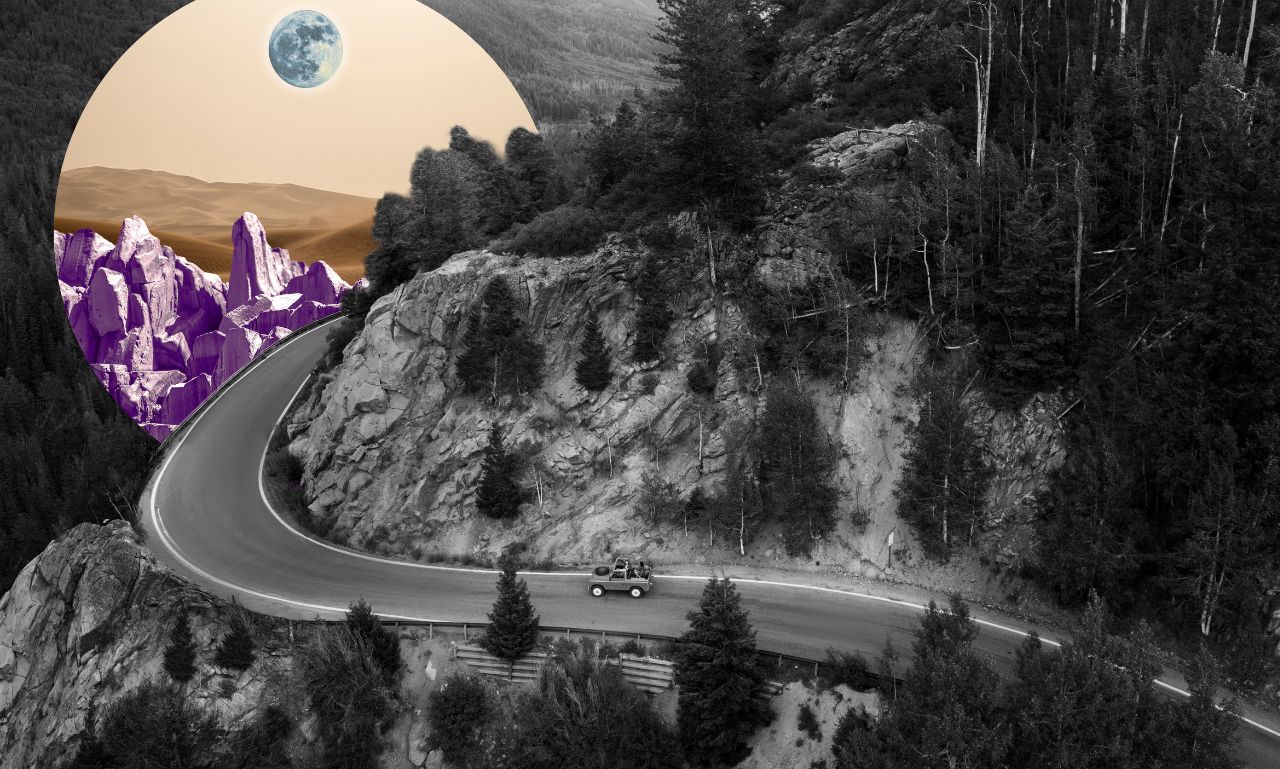
The winding road itself, Mulholland Drive, serves as a metaphor for the twists and turns of human consciousness, memory, and desire. Just as the road curves intodarkness and uncertainty, so too does the psyche of the film’s protagonist.
Legacy and Critical Reception
Since its premiere at the 2001 Cannes Film Festival, Mulholland Drive has earned widespread critical acclaim and has been lauded as one of Lynch’s greatest achievements. It won numerous awards and has been ranked among the greatest films of the 21st century by critics around the world.
Film scholars and audiences continue to debate its meaning, but that very ambiguity is part of its power. Unlike movies that reveal all their secrets, Mulholland Drive invites viewers into an open interpretive space where multiple readings can coexist. Its blend of narrative complexity, psychological depth, and cinematic beauty ensures its place as a modern classic.
Conclusion:
Mulholland Drive is more than a film—it’s an experience that lingers long after the credits roll. Its dreamlike structure, psychological richness, and emotional depth make it a masterpiece that resists simplified explanations. By blurring the lines between aspiration and despair, illusion and reality, Lynch crafted a story that is as affecting as it is mysterious. Audiences willing to immerse themselves in its intricate tapestry may not find easy answers—but they will find a work of art that mirrors the dazzling complexity of the human mind.