
Cesta Roman: Exploring the Ancient Weapon of Roman Gladiators
The cesta roman is one of the most fascinating yet lesser-known elements of ancient Roman combat culture. Rooted in gladiatorial traditions, this unique weapon symbolized strength, endurance, and raw fighting skill. Unlike swords or spears, the cesta roman relied on close-range combat, turning the human body itself into a lethal instrument. Understanding its origins, design, and cultural role offers a deeper look into the brutal yet structured world of Roman entertainment and warfare.
What Is the Cesta Roman?
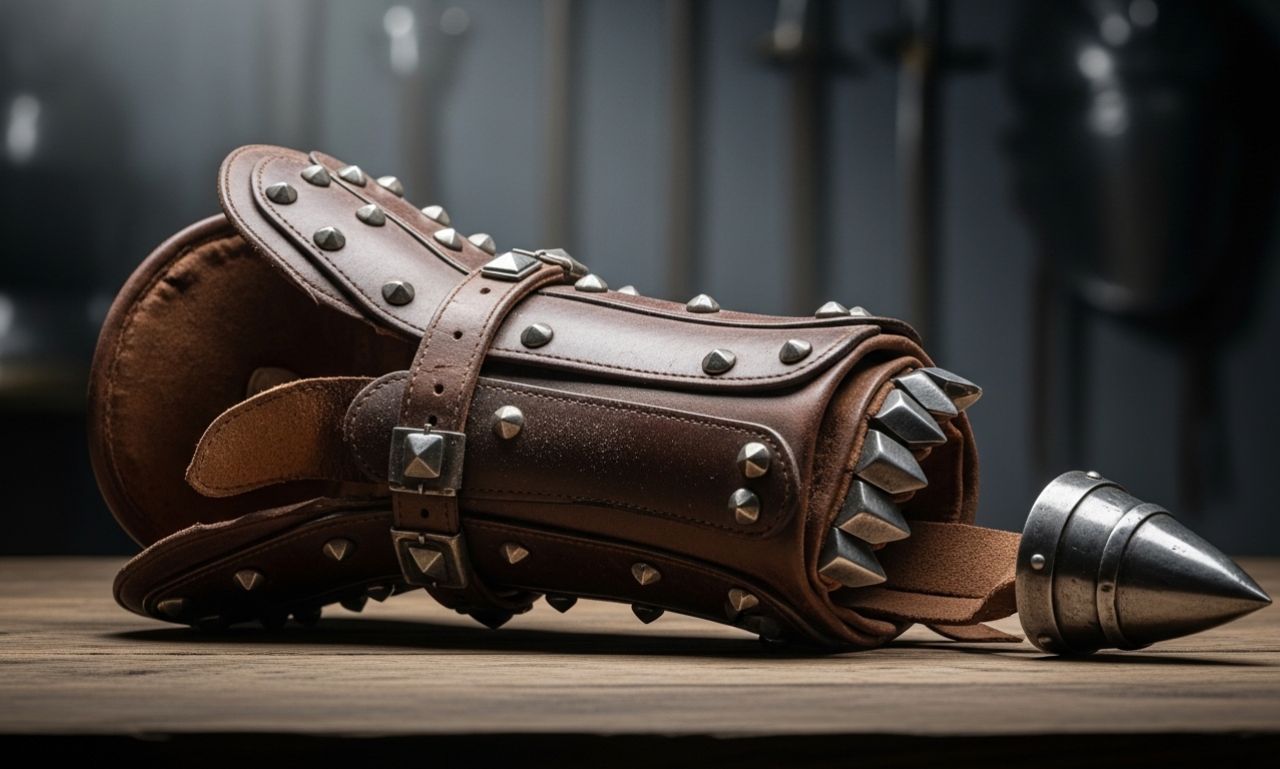
The cesta roman was a combat weapon worn on the hands, primarily used by certain Roman gladiators. It consisted of leather straps wrapped tightly around the fists, often reinforced with metal studs, spikes, or plates. Rather than cutting like a blade, it inflicted damage through crushing force, making each strike devastating.
This weapon evolved from earlier Greek traditions but was adapted by the Romans to suit their gladiatorial games. Its purpose was not only to injure opponents but also to create dramatic, crowd-pleasing combat inside Roman arenas.
Historical Origins of the Cesta Roman
Greek Roots and Roman Adaptation
The cesta roman traces its lineage to the Greek “cestus,” a weapon used by ancient boxers. The Romans adopted and modified this concept, enhancing it with metal reinforcements to increase lethality. Over time, it became associated with specific gladiator classes rather than athletic competitions.
Role in Gladiatorial Games
In Roman arenas, combat was highly stylized. Gladiators using the cesta ro man were trained for endurance and hand-to-hand combat. Matches featuring this weapon were especially intense, as fighters had to rely on physical strength, timing, and precision instead of long-range attacks.
Design and Construction of the Cesta Roman
Materials Used
The cesta ro man was typically made from:
-
Thick leather strips for flexibility
-
Metal studs or plates for impact
-
Internal padding to protect the wearer’s hands
This combination allowed gladiators to strike repeatedly without immediate injury to themselves.
Deadly Simplicity
What made the cesta ro man effective was its simplicity. Without sharp edges, it caused blunt trauma—broken bones, concussions, and internal injuries. This brutality aligned perfectly with Roman tastes for intense and prolonged combat spectacles.
How Gladiators Trained with the Cesta Roman
Training for the cesta ro man required exceptional discipline. Gladiators practiced:
-
Punching techniques to maximize force
-
Defensive movements to protect vital areas
-
Stamina drills to endure long fights
Since battles could last extended periods, fighters had to maintain strength while absorbing heavy blows. Mastery of this weapon demanded both physical and mental resilience.
Cesta Roman in Roman Society
Entertainment and Symbolism
The cesta ro man represented raw power and primal combat. For Roman audiences, matches involving this weapon were thrilling because they showcased human strength rather than reliance on blades. The sight of two fighters exchanging crushing blows created an atmosphere of tension and excitement.
Status of Cesta-Wielding Gladiators
Gladiators who fought using the cesta ro man were often admired for their toughness. While all gladiators faced danger, these fighters were seen as especially courageous due to the close-quarters nature of their combat style.
Differences Between the Cesta Roman and Other Roman Weapons
Compared to Swords and Spears
Unlike swords such as the gladius, the cesta ro man required fighters to remain extremely close to their opponents. There was no reach advantage—only skill and strength determined survival.
Compared to Shields and Armor
Gladiators using the cesta ro man often wore limited armor. This increased vulnerability made fights more dramatic and emphasized agility and endurance rather than heavy defense.
Cesta Roman in Art and Literature
Ancient Roman mosaics, reliefs, and texts occasionally depict gladiators wearing hand wraps believed to represent the cesta ro man. These visual records help historians understand how the weapon was used and perceived in Roman culture.
Writers of the era described such combat as savage yet captivating, reinforcing the idea that Roman entertainment celebrated both discipline and brutality.
The Decline of the Cesta Roman
As Roman society evolved, so did its forms of entertainment. Gladiatorial games gradually declined due to economic changes, political shifts, and moral opposition. With the fall of the Western Roman Empire, weapons like the cesta ro man faded into history, surviving mainly through archaeological evidence and written records.
Modern Influence of the Cesta Roman
Impact on Combat Sports
The concept behind the cesta ro man—reinforced fists—can be seen in the evolution of boxing gloves and hand wraps. While modern sports prioritize safety, the foundational idea of protecting hands while striking remains relevant.
Representation in Popular Culture
Films, documentaries, and historical novels often reference gladiatorial combat inspired by weapons like the cesta ro man. These portrayals help keep ancient Roman traditions alive in modern storytelling.
Why the Cesta Roman Still Matters Today
The cesta ro man is more than just an ancient weapon—it is a symbol of Roman ingenuity and their fascination with controlled violence. Studying it helps historians and enthusiasts understand how combat, culture, and entertainment intersected in one of history’s most influential civilizations.
By examining weapons like this, we gain insight into the values, skills, and spectacle that defined ancient Rome.
Conclusion
The cesta ro man stands as a powerful reminder of the intensity of Roman gladiatorial combat. Its unique design, brutal effectiveness, and cultural significance set it apart from other ancient weapons. Although no longer used, its legacy continues through historical study and modern interpretations of combat sports. Exploring the cesta ro man allows us to better appreciate the complexity and drama of ancient Roman civilization.