
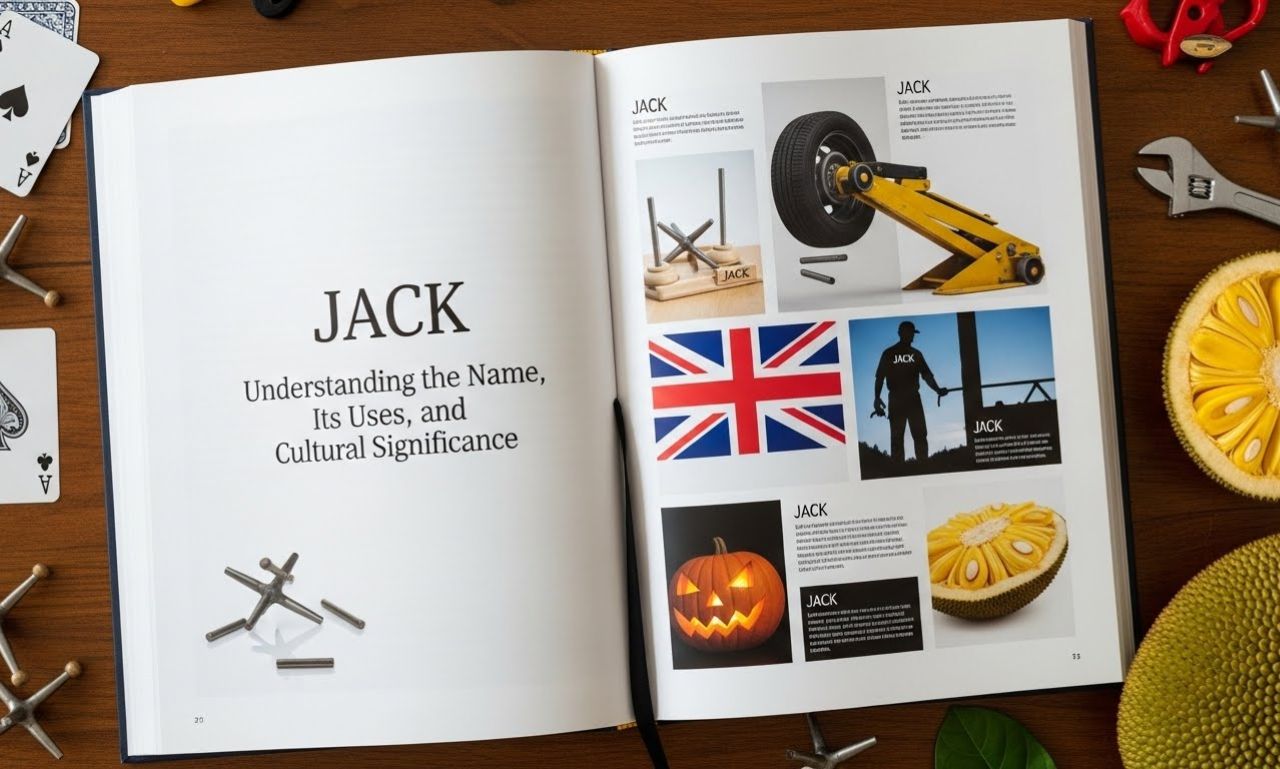
Jack: Understanding the Name, Its Uses, and Cultural Significance
The name Jack has been a popular and enduring term in various cultures, known for its simplicity, versatility, and widespread recognition. Whether used as a first name, a nickname, or in symbolic contexts, Jack carries a rich history and cultural significance. This article explores the origins of Jack, its common uses, and why it remains a popular choice today.
Origin and Meaning of Jack
Ja ck originated as a diminutive form of the name John, which has Hebrew roots meaning “God is gracious.” Over time, Ja ck evolved into an independent name, gaining popularity in English-speaking countries for its friendly and approachable tone.
The simplicity of Ja ck has made it appealing across generations. Its easy pronunciation, brevity, and strong cultural presence contribute to its lasting popularity.
Jack in Literature and Folklore
Ja ck appears frequently in literature, folklore, and fairy tales. Classic stories such as Ja ck and the Beanstalk and Little Ja ck Horner feature characters named Ja ck, often representing cleverness, bravery, and resourcefulness.
In these contexts, Ja ck is symbolic of the everyman—a character who overcomes challenges, displays wit, and navigates the world with courage. This cultural imagery has helped cement Ja ck as a familiar and relatable name.
Common Uses of Jack
Ja ck is not only a personal name but also widely used in other contexts:
-
Nicknames and Short Forms: Many individuals named John, Ja ckson, or Jacob use Ja ck as a friendly nickname.
-
Technology: The term “ja ck” is commonly used in electronics and mechanics, such as audio ja cks or car ja cks.
-
Cards and Games: In playing cards, the Ja ck is a key figure, ranking between the 10 and the Queen.
-
Pop Culture: Numerous fictional characters, from movies to comics, carry the name Ja ck, enhancing its recognition.
These diverse applications illustrate Ja ck’s versatility and cultural reach.
Jack as a Brand or Concept
Due to its simplicity and memorability, Ja ck is also used as a brand name or concept in business and marketing. Companies, products, and apps sometimes adopt the name Ja ck to convey reliability, friendliness, and accessibility.
Its short length makes it easy to remember, while its cultural familiarity gives it an approachable and trustworthy feel.
The Popularity of Jack Today
Jack remains a popular choice for parents naming their children. Its timeless quality ensures it is not bound by trends, while its cross-cultural recognition adds to its appeal.
Modern usage of Ja ck in digital and creative spaces also helps sustain its relevance. From usernames to app names, Ja ck continues to be widely adopted due to its universal familiarity.
How Jack Builds Identity
Using the name Jack—whether for a person, brand, or project—carries a sense of trustworthiness and approachability. In personal contexts, it evokes friendliness and relatability. In branding, it suggests simplicity and reliability, making it easy for audiences to connect with.
Conclusion
Jack is more than just a name; it is a symbol of versatility, simplicity, and cultural significance. Its long-standing presence in literature, folklore, and modern culture ensures that it remains a favorite across generations. Whether as a personal name, a brand, or a cultural reference, Jack continues to represent familiarity, cleverness, and approachability in countless contexts.